
01 Nov What to Donate: A Practical Guide to Items Salt Lake City’s Homeless Need Most
The items most useful to donate are tents, warm layered clothing, and basic hygiene kits — the three categories I’m a Human Foundation has focused on distributing directly to people experiencing homelessness in Salt Lake City since 2014. This guide explains what condition and type of each item helps most, so a donation turns into something someone can actually use.
Why item donations matter alongside financial gifts
Money lets a nonprofit buy exactly what’s needed, but physical items skip a step — they go straight from your closet or garage to someone who needs them. I’m a Human Foundation provides tents, clothes, and basic kits directly to people living on the streets of Salt Lake City, so a donated coat or tent in good condition is work this foundation doesn’t have to do twice.
Tents and shelter essentials: what condition and type help most
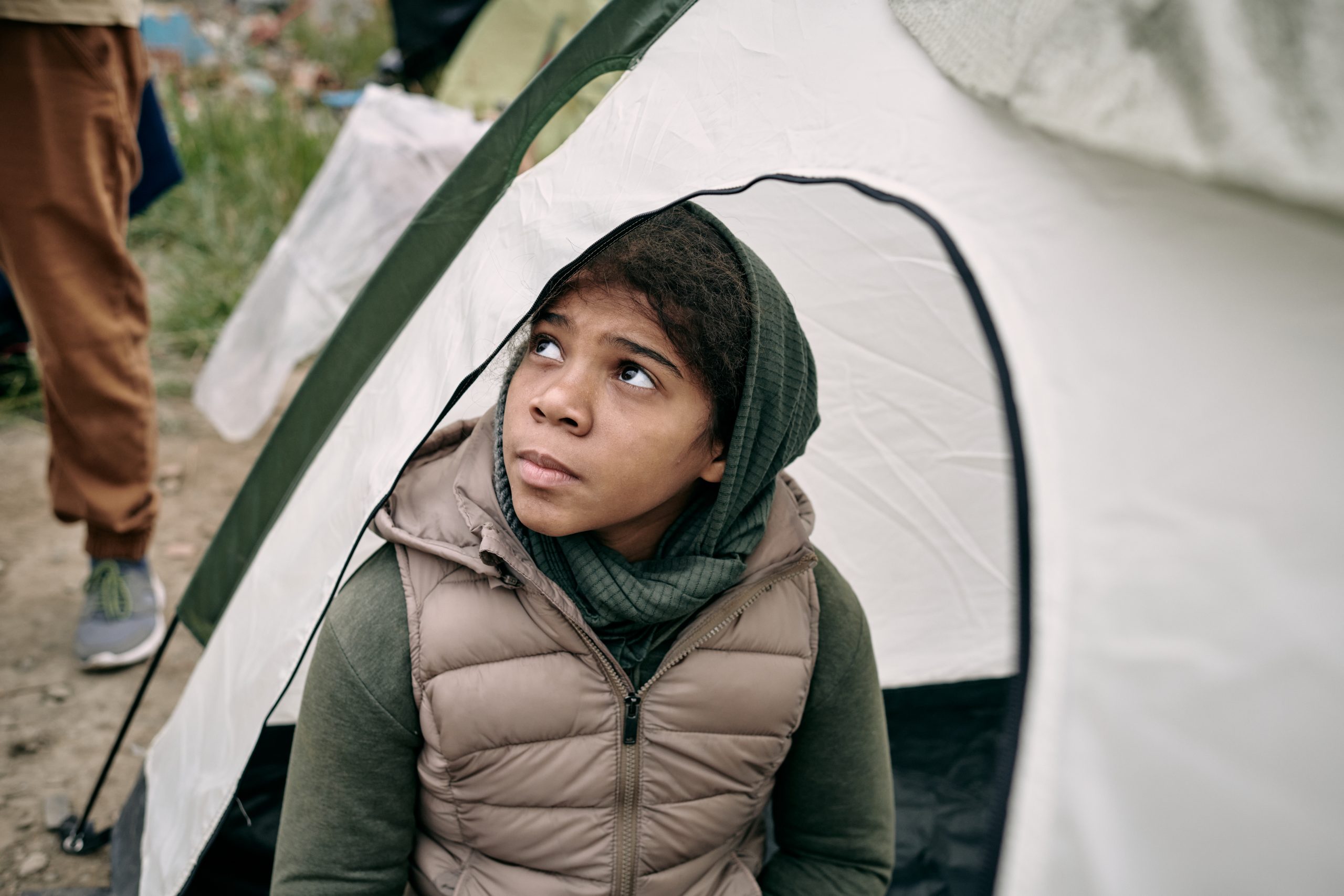
A usable tent needs to actually keep weather out, so check the condition before donating. Poles should be intact, the rainfly should still repel water, and zippers should work — a tent that leaks or won’t close doesn’t help someone through a Utah winter night. Smaller, simpler tents that one person can set up alone are generally more practical for someone without a fixed address than large family-sized tents. For the full picture of what a tent becomes part of, see our guide on what goes into a homeless essential kit.
Clothing basics: layering for Utah’s changing seasons
Layering items are more useful than any single heavy piece, because they can be added or removed as the weather shifts. Warm coats, base layers, wool or synthetic socks, and sturdy closed-toe shoes are consistently among the most-needed and least-donated items. Clean, gently used clothing in good repair — no missing buttons, broken zippers, or holes — is what actually gets used.
Hygiene and personal care kit components
Basic hygiene items are a core part of the kits I’m a Human Foundation assembles for distribution. Useful components include travel-size soap, toothbrushes and toothpaste, deodorant, hand sanitizer, and feminine hygiene products. New or unopened items are strongly preferred for anything that touches skin or teeth, for the same reason you’d want that for yourself.
Simple food and water items that travel well
Shelf-stable food that doesn’t need cooking or refrigeration is the most practical category — think granola bars, nuts, dried fruit, and sealed bottled water. Items that are easy to carry and open without tools matter more than quantity, since anything donated needs to fit in a bag someone is already carrying.
How to prepare, clean, and package donated items
Wash clothing before donating it, and check that tents and gear are dry to avoid mildew. Bagging similar items together — socks with socks, hygiene items in one kit-sized bag — saves sorting time on the receiving end and gets items back out to people faster.
How to coordinate drop-off with I’m a Human Foundation
Needs shift with the seasons, so the most helpful first step is to contact I’m a Human Foundation before dropping items off. That way you can confirm what’s needed most right now and how to get it there. If you’d rather give funds directly, the donations page explains how a financial gift is used.
Getting involved further: volunteering alongside donating
Donating items is one way to help; showing up is another. I’m a Human Foundation also welcomes volunteers to help get tents, clothing, and kits into the hands of people experiencing homelessness in Salt Lake City — visit the volunteer page to learn how to join. Every contribution, whether it’s a bag of socks or an afternoon of your time, helps this foundation keep showing up for its neighbors on the street.
No Comments